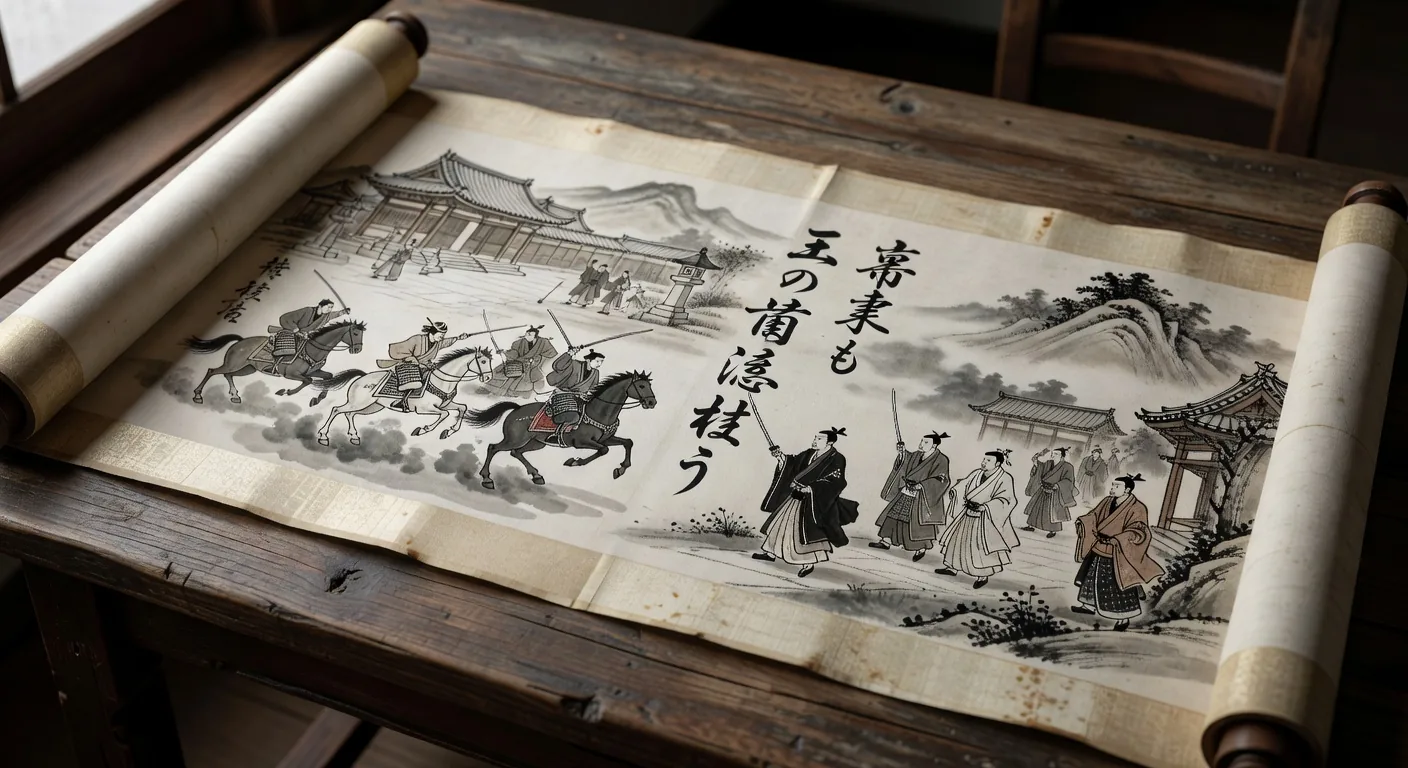
日本の歴史
Japanese History
From the ancient mists of the Jomon era to the dynamic present — a journey through 15,000 years of Japanese civilization.
From the ancient mists of the Jomon era to the dynamic present — a journey through 15,000 years of Japanese civilization.
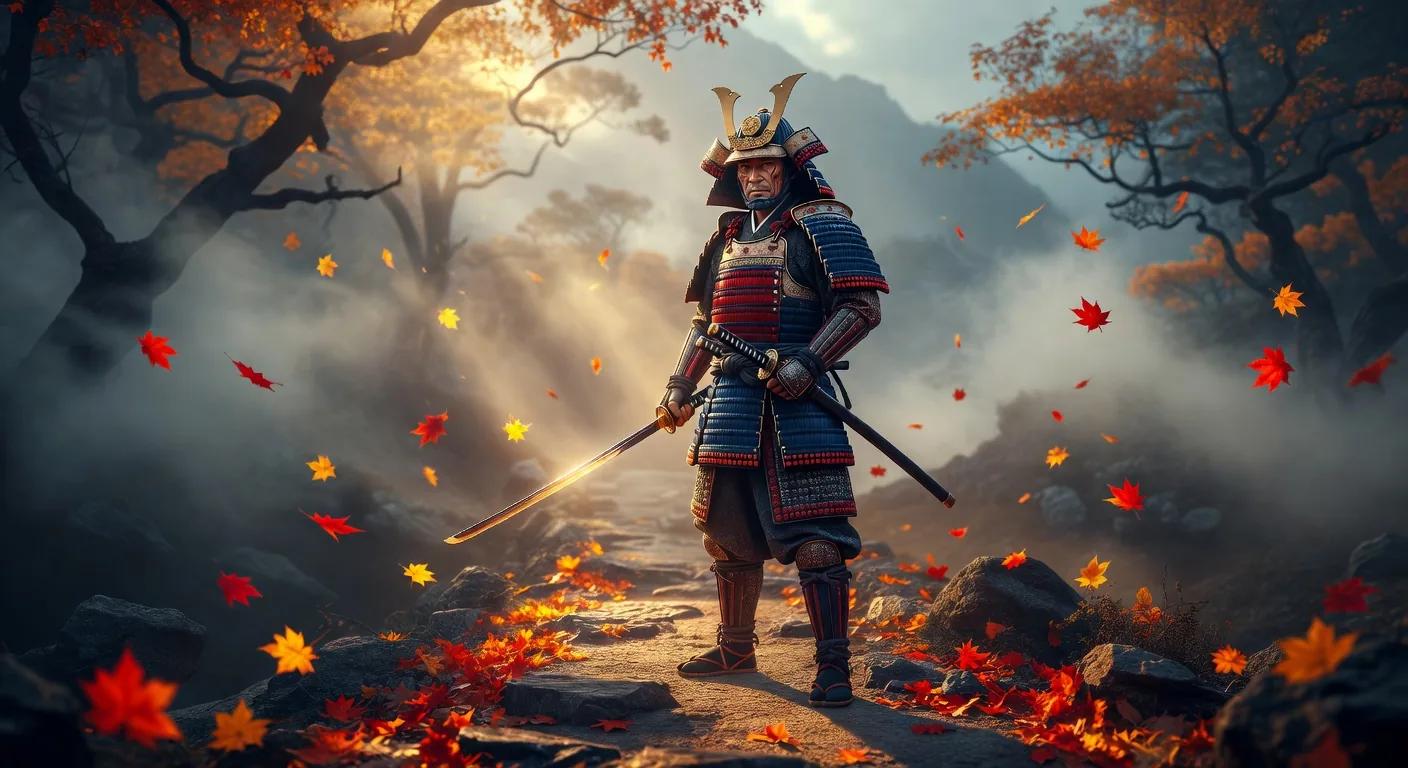
Japan's history is one of the world's most remarkable — shaped by geographic isolation, cycles of cultural exchange and periods of deliberate seclusion, and a remarkable capacity to absorb foreign influences while forging something distinctly, indelibly Japanese.
From the prehistoric Jomon people's cord-marked pottery to the sophisticated court culture of the Heian era, from the warrior codes of the samurai to the breathtaking modernization of the Meiji period, Japan's story is one of constant transformation anchored by deep cultural continuity.
Japan's earliest inhabitants created some of the world's oldest pottery (jomon — cord-marked). Hunter-gatherer communities developed sophisticated ritual objects and burial practices. Evidence of animistic religious beliefs and early social structures.
World's Oldest PotteryMigration from the Korean peninsula brought wet-rice farming, metalworking in bronze and iron, and new weaving techniques. Social stratification emerged and chiefdoms grew into small kingdoms. The legendary Queen Himiko unified much of the country.
Introduction of Rice CultivationThe imperial family consolidated power, marked by massive burial mounds (kofun). Buddhism arrived from Korea in 552 CE and was adopted as state religion. Prince Shotoku issued Japan's first constitution and commissioned the great temple of Horyuji.
Buddhism Arrives in JapanJapan's first permanent capital at Nara modeled on Tang Dynasty Chang'an. The magnificent Heian period (794–1185) saw the height of aristocratic culture: refined literature (The Tale of Genji), poetry, painting, and the development of the kana writing systems.
The World's First Novel WrittenMilitary government (shogunate) displaced the imperial court. Zen Buddhism transformed art, architecture, and the warrior code (bushido). The Sengoku ("Warring States") era produced legendary figures like Oda Nobunaga, Toyotomi Hideyoshi, and Tokugawa Ieyasu.
Rise of the SamuraiOver 250 years of peace under Tokugawa rule. Japan was largely closed to foreign influence (sakoku), fostering unique developments in arts (ukiyo-e woodblock prints, kabuki theater, haiku poetry), urban culture (Edo/Tokyo grew to 1 million people), and trade.
250 Years of PeaceEmperor Meiji was restored to power and Japan underwent breathtaking transformation, adopting Western institutions, technology, and dress while deliberately preserving cultural heritage. Japan emerged as a modern industrial and military power within one generation.
Japan Opens to the WorldFrom the ashes of World War II, Japan rebuilt into an economic powerhouse while undergoing cultural renaissance. Japanese design, cuisine, film, animation, technology, and cultural exports have had profound global influence. Traditional arts continue to thrive alongside modernity.
Economic Miracle & Cultural RenaissanceThe first of the three great unifiers of Japan, renowned for his tactical genius, ruthlessness, and radical openness to Western firearms and ideas. Began the process of ending the century-long Sengoku civil war.
Born a peasant, rose to become the second great unifier. Completed the unification of Japan, built Osaka Castle, standardized the calendar and currency, and launched two ambitious invasions of Korea.
The third and final great unifier. Founded the Tokugawa shogunate that brought 250 years of peace to Japan. His legacy shaped Japanese society, culture, and governance from 1603 until the Meiji Restoration.
Japan's most famous swordsman, undefeated in over 60 duels. His philosophical treatise on strategy, "The Book of Five Rings" (Go Rin No Sho), remains influential worldwide in business and martial arts.
Founder of the Kamakura Shogunate and the first shogun, establishing the template of military government that would dominate Japan for nearly 700 years. Relocated effective power from Kyoto to eastern Japan.
Under his reign, Japan transformed from a feudal, isolated nation to a modern world power within a single generation — the most dramatic national transformation in modern history. Oversaw Japan's industrialization and Western modernization.
"To understand Japan is to understand a people who have always faced the future with their eyes wide open, and their hearts rooted in the past."— Fresh Flower Corner