Seasonal Festivals
Japan's matsuri culture — where ancient ritual, community spirit, and seasonal beauty unite in joyful celebration.
Japan's matsuri culture — where ancient ritual, community spirit, and seasonal beauty unite in joyful celebration.
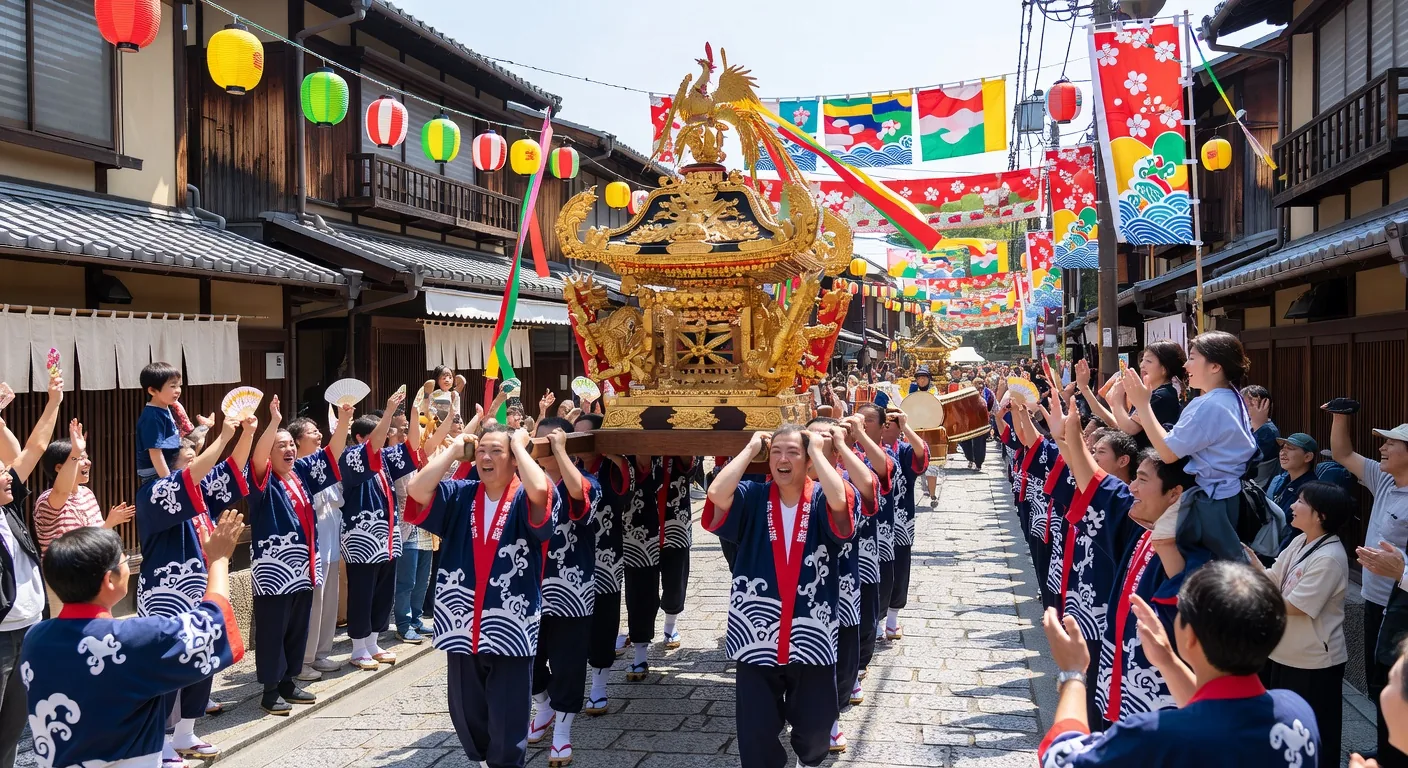
Japan observes hundreds of festivals throughout the year, ranging from intimate community gatherings to national celebrations attracting millions of visitors. These matsuri (festivals) serve as the beating pulse of Japanese cultural and spiritual life.
Rooted in Shinto and Buddhist traditions, most festivals are connected to agricultural cycles, the turning of seasons, or the veneration of local deities (kami). They combine religious ceremony with communal feasting, music, dance, and spectacular visual displays.
From the delicate falling of cherry blossoms in spring to the lantern-lit waters of summer and the fire festivals of winter, each season brings its own distinct expression of Japanese festive spirit.
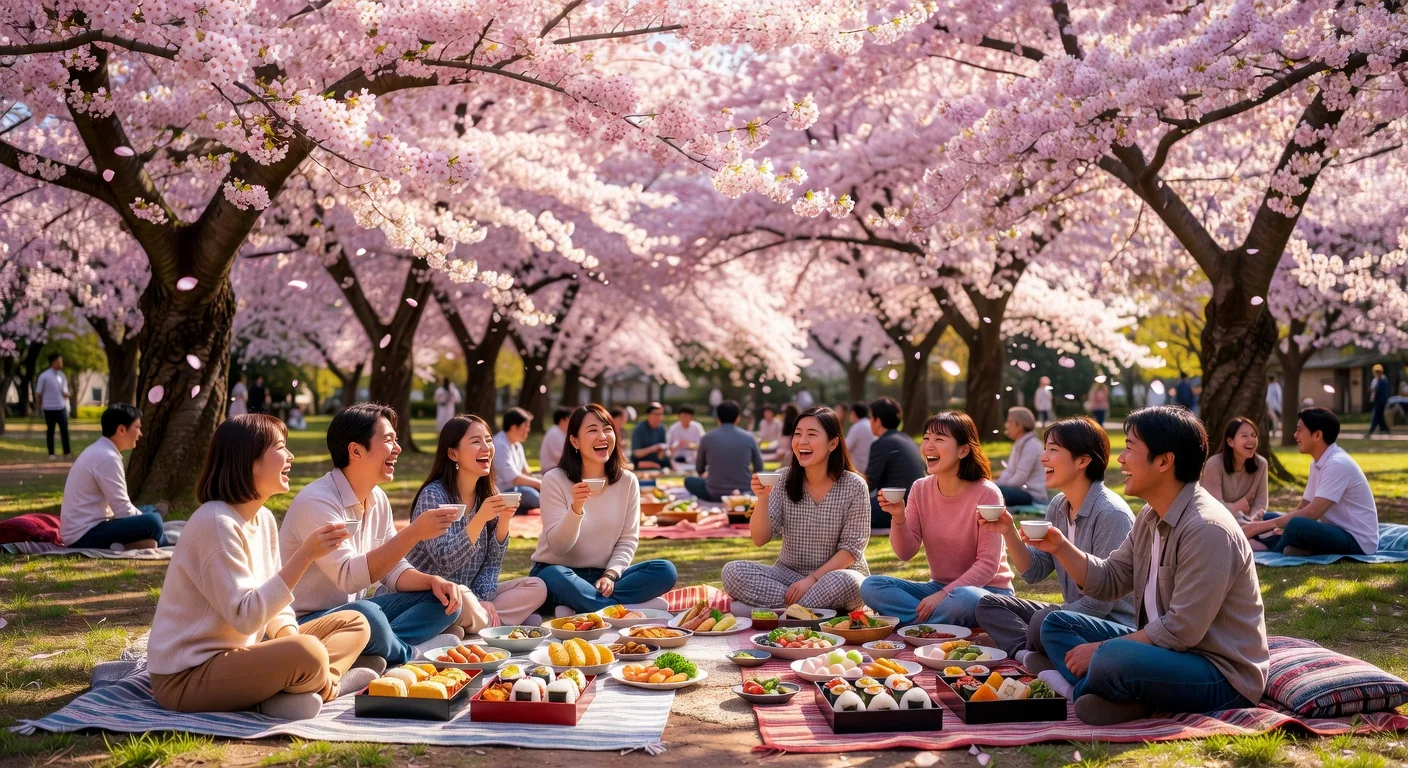
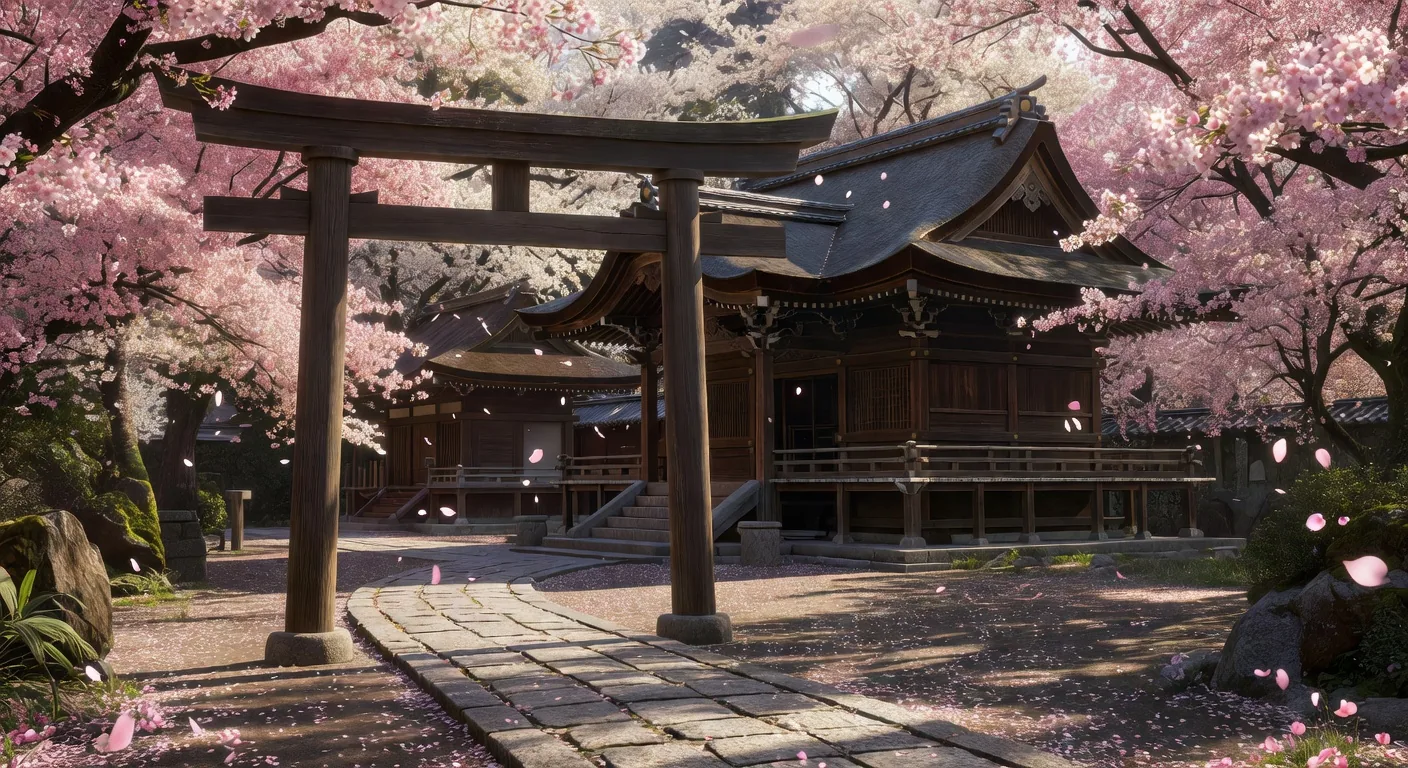
The beloved tradition of viewing cherry blossoms in full bloom. Friends, families, and colleagues gather beneath sakura trees for picnics, sake, and celebration. Hanami parties are arranged weeks in advance in famous parks such as Maruyama (Kyoto) and Ueno (Tokyo).
Girls' Day or Doll Festival. Families display ornate tiered platforms of imperial court dolls (hina ningyo) and celebrate with special foods including chirashi sushi and hishi mochi diamond-shaped rice cakes.
One of Kyoto's three great festivals, held since the 6th century. A magnificent procession of 500 participants in elegant Heian-period court costumes travels between Shimogamo and Kamigamo shrines.
A Buddhist festival honoring the spirits of ancestors who return to visit the living. Families clean graves, light lanterns (chochin), and perform the traditional Bon Odori circle dance to welcome and guide spirits home.
Summer fireworks festivals held throughout Japan. The Sumida River Hanabi in Tokyo attracts over a million spectators. Crowds dress in yukata summer kimono and enjoy festival food stalls (yatai) lining the riverbanks.
Kyoto's most famous festival, held throughout July at Yasaka Shrine. The spectacular Yamaboko Junko float procession on July 17 features 33 elaborately decorated floats carrying musicians and participants in historical dress.
The autumn equivalent of hanami — viewing the spectacular display of autumn foliage. Famous spots include Arashiyama in Kyoto, Nikko, and the Japanese Alps. The practice dates back to the Heian period.
Moon-viewing festival, celebrated on the night of the harvest full moon. Offerings of tsukimi dango (round rice dumplings) and autumn crops are made, and sake is drunk while admiring the brilliant harvest moon.
Kyoto's Festival of Ages, dating from 1895 to celebrate the city's founding. A two-kilometer procession of 2,000 participants in period costumes represents every era of Japanese history from the Meiji period back to the 8th century.
Japanese New Year, the most important holiday of the year. Families visit shrines for hatsumode (first shrine visit), eat toshikoshi soba on New Year's Eve, and receive otoshidama (money envelopes) from elders. Bells are rung 108 times to clear worldly desires.
A purification fire festival held at shrines across Japan, particularly famous in Sendai. New Year's decorations are ceremonially burned, and people walk barefoot near the flames to purify themselves and pray for health in the coming year.
The day before the traditional first day of spring. Families throw soybeans (mamemaki) shouting "Oni wa soto! Fuku wa uchi!" (Demons out! Fortune in!) to drive away evil spirits. Eating ehomaki (lucky direction sushi roll) in silence is a modern tradition.
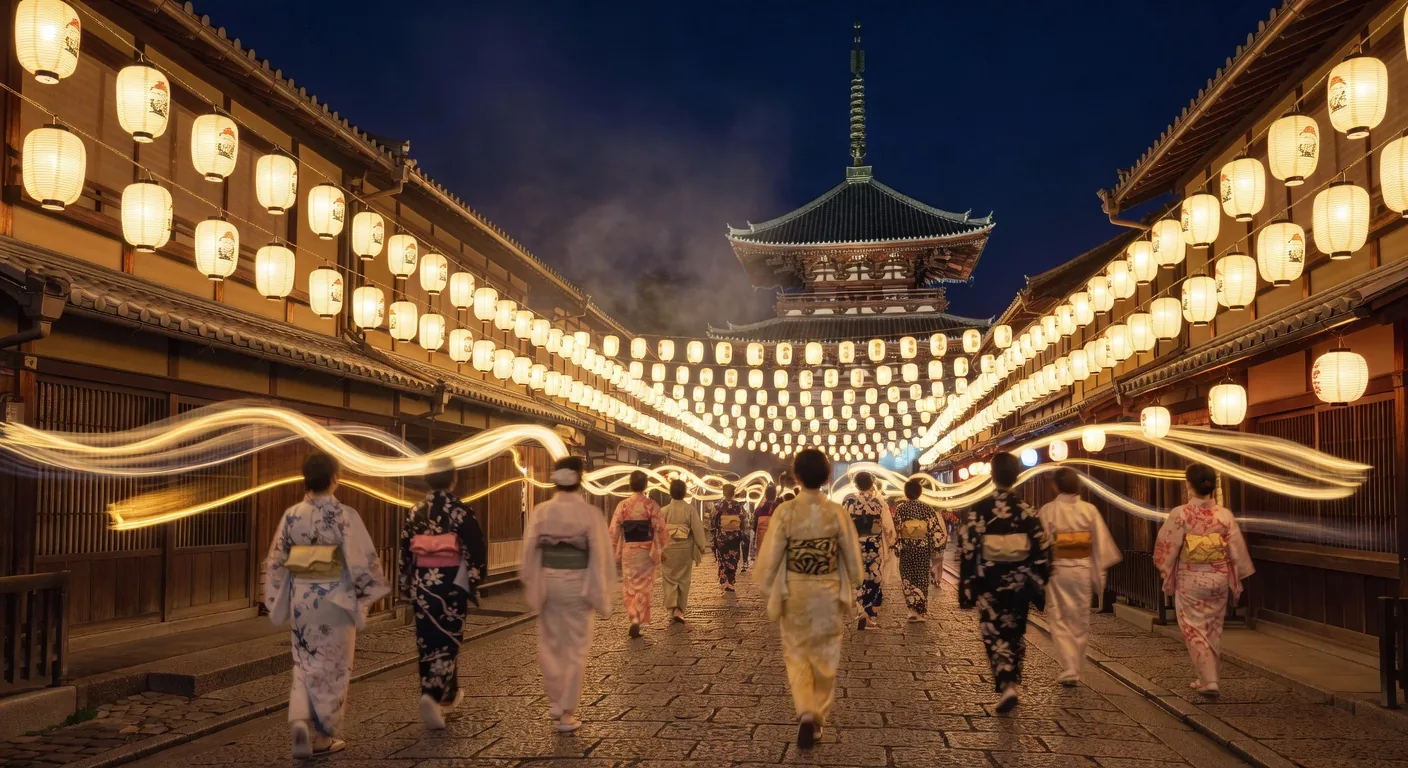
Kyoto's most iconic festival, spanning the entire month of July with spectacular float processions, traditional music, and centuries of living tradition centered on Yasaka Shrine.
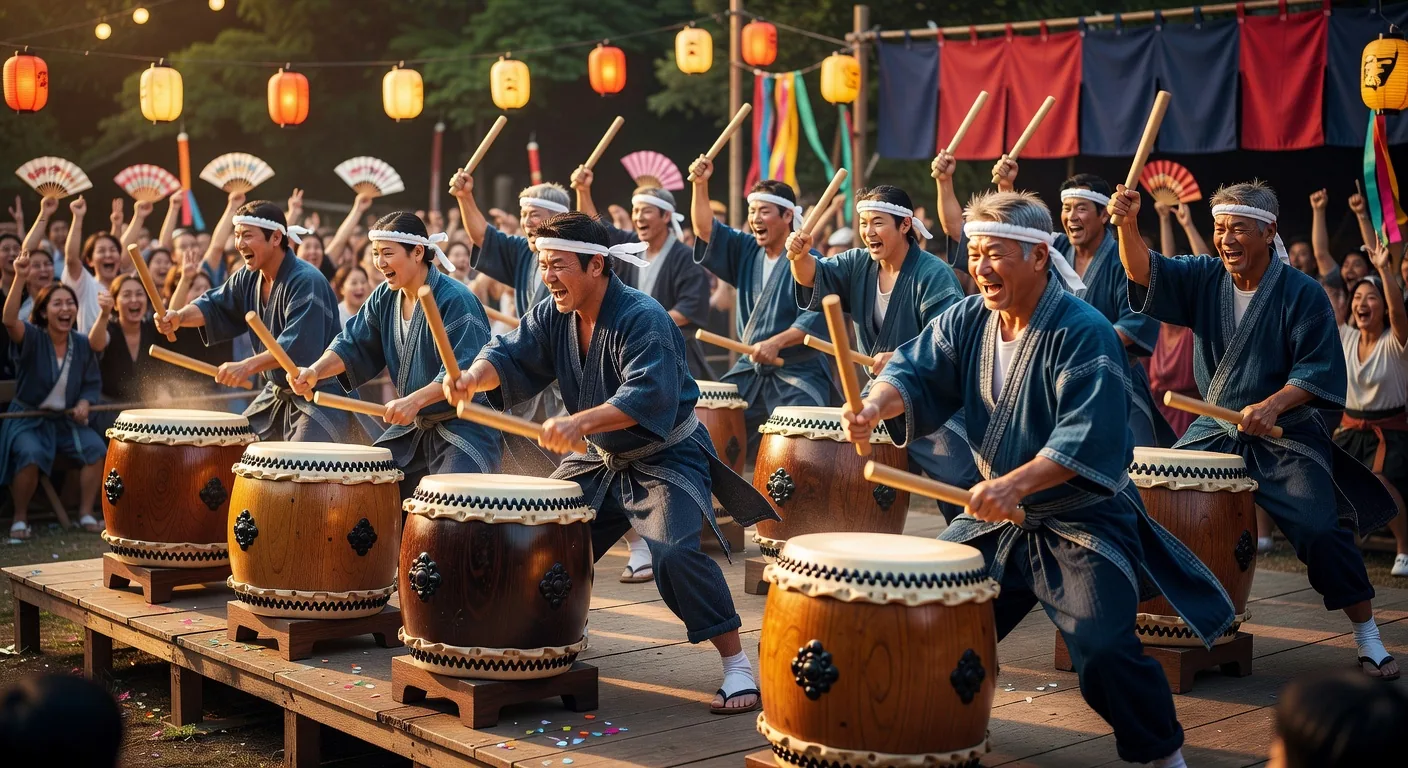
One of Japan's oldest festivals (since 544 CE), featuring an elegant procession of court nobles in Heian-era dress between two of Kyoto's oldest Shinto shrines.
The Festival of Ages brings Kyoto's entire history to life in a magnificent procession representing 1,200 years of Japanese costume, culture, and historical pageantry.
"Every matsuri is an invitation — to step outside of ordinary time and touch something ancient, joyful, and alive."— Fresh Flower Corner